






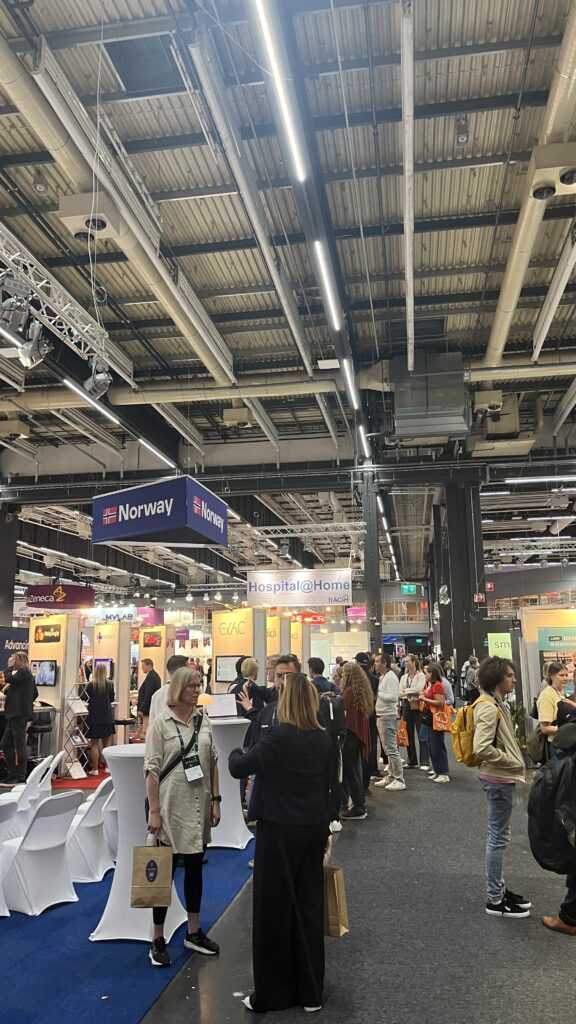
Last week, the Mindergy team participated in Vitalis, the largest eHealth and healthcare innovation conference in the Nordics. We spent three full days engaging with healthcare professionals, researchers, decision-makers, and innovators from across the industry.
The event provided valuable insights into the direction healthcare is moving, particularly in relation to digital tools for mental health, patient experience, and stress reduction.
Meaningful conversations and strong validation
We are deeply grateful for all the conversations we had during Vitalis. The interest, feedback, and discussions we experienced gave us both energy and confirmation that we are moving in the right direction.
What stood out most was the growing recognition of the importance of tools that support not only treatment, but also emotional well-being, stress management, and patient comfort.
Mindergy VR use cases in healthcare
During the event, we highlighted several core use cases for Mindergy VR:
1. Distraction-based VR experiences
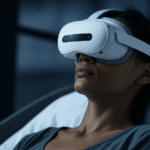
Immersive environments designed to help patients shift focus away from pain, anxiety, or discomfort toward calming virtual settings.
2. Guided breathing and relaxation exercises
Structured VR-based breathing programs designed to support stress reduction and anxiety relief, helping patients regulate physiological and emotional responses.
3. Interactive experiences and games
Engaging VR content that serves both as therapeutic distraction during procedures and as general relaxation and mental recovery tools.
Beyond distraction – supporting long-term well-being
While VR is highly effective as a real-time distraction tool in clinical settings, its potential goes further. We increasingly see how guided breathing, mindfulness, and relaxation experiences can contribute to long-term stress reduction and improved coping mechanisms for patients.
Looking ahead
Vitalis confirmed a clear trend: healthcare is moving toward more holistic, patient-centered approaches where mental well-being is an integral part of treatment and care.
We are excited to continue these conversations and collaborate with healthcare providers to bring scalable, evidence-based VR solutions into practice.


